Blog
Why You Should See a Board-Certified Prosthodontist Instead of a General Dentist for Dental Implants
Why You Should See a Board-Certified Prosthodontist Instead of a General Dentist for Dental Implants
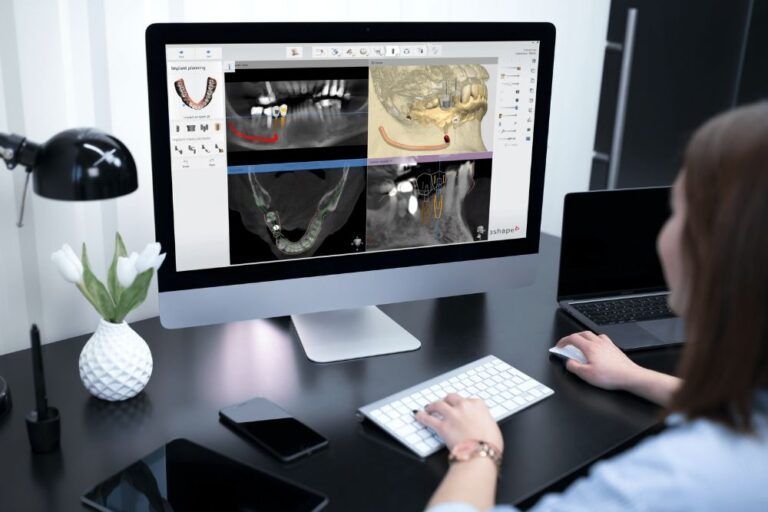
Winplants a Board-Certified Surgical Prosthodontist When it comes to dental implant procedures, the expertise and training of the professional performing the treatment can make a world of difference in your outcome. While general dentists are highly skilled practitioners capable of providing a wide range of services, there are significant advantages to choosing a board-certified surgical prosthodontist—especially for complex cases like full-arch restoration, all-on-X, or zygomatic implants.In this article, we explore the critical differences between a general dentist and a board-certified surgical prosthodontist in the context of dental implants. We’ll also introduce how Winplants Digital 3D Dentistry , a mobile surgical prosthodontist service, is transforming access to this elite level of care by partnering directly with general dental practices across the region. 1. Education and Training: A Deeper Specialization The most significant difference starts with the level of education and clinical training. General Dentist Typically completes a 4-year dental program (DDS or DMD). Trained to perform various procedures, including cleanings, fillings, crowns, and sometimes basic implant placements. May take short-term CE (continuing education) courses in implant dentistry. Board-Certified Surgical Prosthodontist Completes dental school plus 3 years in a prosthodontic residency focused exclusively on complex dental restorations and implant procedures. Trained in integrating surgical planning, prosthetic design, and occlusion science. Undergoes rigorous board examinations to earn certification by the American Board of Prosthodontics . Like those at Winplants , many are also IV-sedation certified and trained in advanced digital workflows and full-arch rehabilitation techniques. Bottom Line: A surgical prosthodontist has thousands of additional hours of focused education and hands-on experience directly related to implant therapy and complex oral rehabilitation. 2. Surgical and Restorative Expertise in One Specialist Dental implant success depends not just on the surgical placement of the implant but on the overall planning, bone support, prosthetic outcome, and aesthetic harmony. General Dentist May place single implants or perform simple implant-supported restorations. Often refers complex surgical or restorative cases to specialists. May lack access to in-house surgical and digital prosthetic planning tools. Surgical Prosthodontist Offers surgical and restorative continuity : the same specialist plans, places, and restores the implant. Capable of performing sinus lifts, bone grafting, zygomatic implants, and all-on-X procedures. Utilizes complete digital 3D workflows —from intraoral scanning and cone beam CT to guided surgery and same-day prosthesis. This unified approach minimizes errors, reduces appointments, and increases success rates for the patient. 3. The Role of Technology: Digital 3D Dentistry Digital technology is at the forefront of implant dentistry. A board-certified surgical prosthodontist like those with Winplants leverages cutting-edge tools that many general practices do not have on-site. 3D CBCT Scans for accurate bone mapping and implant positioning. Digital Impressions instead of uncomfortable physical molds. CAD/CAM Software for designing prosthetics and surgical guides. In-house Milling and 3D Printing for rapid prototyping and same-day delivery. By integrating this technology, surgical prosthodontists can offer exceptional precision , shorter treatment times, and better long-term outcomes. 4. Complex Cases Require Complex Planning While general dentists can perform simpler implant cases, they are often not equipped to handle complications or full-mouth restorations. Consider these scenarios: Bone Loss requiring grafting or zygomatic implants. Severe Tooth Wear from grinding or trauma. Failed Previous Implants or poorly placed units. All-on-X or Full Arch Hybrid Bridges that demand prosthetic excellence. These cases require a deep understanding of biomechanics, facial esthetics, occlusion, and material science , all of which are central to prosthodontic training. 5. Sedation Dentistry: Comfort and Safety Due to licensing and training requirements, general dentists do not typically offer IV sedation. Board-certified surgical prosthodontists, like those at Winplants, are often IV sedation certified, providing a more comfortable and anxiety-free experience for patients undergoing complex procedures. 6. WINPLANTS: Bringing World-Class Implant Dentistry to Your Practice One of the most innovative services in this space is Winplants Digital 3D Dentistry. This mobile surgical prosthodontist solution directly brings all the advantages of a high-tech surgical center into the general dentist’s office. How It Works: General dentists refer implant cases to Winplants. A board-certified mobile prosthodontist travels to the referring practice. Equipped with all necessary surgical kits, digital tools, sedation options, and lab partnerships. Procedures are performed on-site with seamless integration into the existing patient workflow. The general dentist maintains patient management and post-op care. This model enhances patient care and elevates the standard of service general practices can offer without requiring significant infrastructure investment.👉 Learn more about Winplants Mobile Prosthodontic Services 7. Patient Experience: Confidence in Care Patients seeking implants often don’t realize the difference between provider types until complications arise. Choosing a board-certified surgical prosthodontist from the outset means: Better diagnosis and treatment planning. Fewer appointments and faster results. Natural-looking, long-lasting restorations. Increased peace of mind and trust. With services like Winplants, patients can now access this level of care without traveling to a specialty center— it’s brought to them. Conclusion: Expertise That Matters When considering “board-certified surgical prosthodontist vs general dentist in dental implant procedures,” it’s clear that specialization makes a difference. From training and technology to surgical and prosthetic integration, a board-certified surgical prosthodontist offers superior outcomes, especially for complex cases.Thanks to the innovation of Winplants Digital 3D Dentistry , general dentists can now offer the highest level of implant care right in their practice—providing patients with convenience, comfort, and confidence.
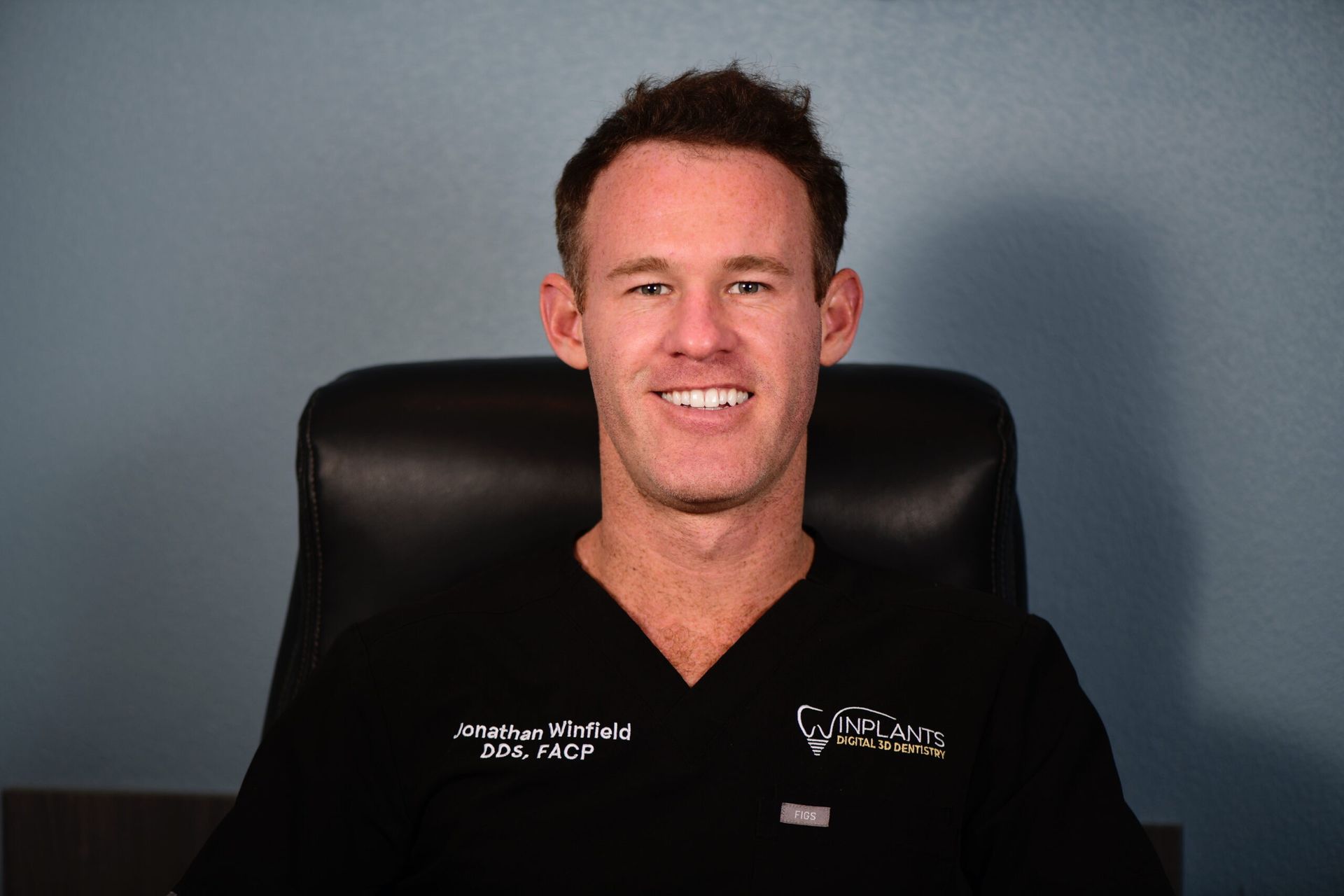
Dental implant procedures have become increasingly popular, offering long-lasting solutions for tooth loss and significantly enhancing quality of life. Yet, the success of these procedures heavily relies on the expertise of the dental specialist performing them. While general dentists may offer implant services, the expertise, specialized training, and comprehensive understanding of oral anatomy provided by a board-certified surgical prosthodontist are unmatched. This article outlines why patients should prioritize choosing a board-certified surgical prosthodontist for dental implant procedures. Extensive Education and Specialized Training A board-certified surgical prosthodontist undergoes rigorous academic training and extensive hands-on experience, significantly surpassing that of general dentists. Prosthodontists initially complete four years of dental school, similar to general dentists. However, they pursue an additional three to four years of specialized training focused exclusively on restorative procedures, surgical techniques, and prosthetics. During this specialty training, prosthodontists master complex procedures such as dental implants, bone grafting, full-mouth reconstructions, and intricate aesthetic restorations. To become board-certified, prosthodontists must pass a demanding examination administered by the American Board of Prosthodontics, demonstrating their superior knowledge, skill set, and commitment to continuing education. Advanced Expertise in Dental Implant Procedures Dental implants require precise surgical placement and expert restoration to ensure optimal function, aesthetics, and longevity. A board-certified surgical prosthodontist is uniquely qualified to plan and execute implant procedures using comprehensive digital workflows, 3D imaging, and guided surgical techniques. Their advanced training ensures a deeper understanding of oral anatomy and the complexities involved in implant placement. It is crucial in avoiding potential complications such as nerve damage, bone loss, and implant failure. Moreover, prosthodontists specialize in rehabilitating complex dental conditions and are adept at managing and preventing potential complications that may arise before, during, or after the surgery. Their extensive experience positions them to create highly individualized treatment plans, ensuring each implant’s strategic placement for optimal oral function and aesthetics. Integrated Approach to Oral Health Board-certified surgical prosthodontists offer a holistic and integrated approach to dental implant procedures. Unlike general dentists, who might focus solely on the surgical aspect, prosthodontists comprehensively assess the entire oral structure. This includes evaluating bite mechanics, occlusion, jaw alignment, and oral health conditions. This integrated approach significantly increases the chances of a successful and enduring outcome. A prosthodontist ensures that the dental implants blend seamlessly with the patient’s natural teeth, improving overall oral function and preserving the integrity of surrounding tissues. Cutting-edge technology and Digital Dentistry Board-certified surgical prosthodontists remain at the forefront of dental technology and advancements, utilizing sophisticated digital dentistry tools like computer-guided implant surgery, CBCT imaging, and 3D printing. These cutting-edge technologies greatly enhance implant procedures’ accuracy, predictability, and efficiency.Digital dentistry enables prosthodontists to perform minimally invasive surgeries, reduce healing time, and achieve remarkably precise implant placement. For example, advanced imaging technology allows for precise mapping of nerves and bone density, significantly minimizing surgical risks. Enhanced Patient Safety and Comfort Patient safety and comfort are paramount in dental implant procedures. A board-certified surgical prosthodontist is extensively trained in sedation dentistry, including IV sedation, ensuring that patients undergo procedures with maximum comfort and minimal anxiety.Proper sedation also allows prosthodontists to perform complex surgeries in fewer visits, reducing overall recovery time and enhancing patient comfort. Their rigorous training in patient safety protocols significantly reduces the risk of complications, promoting faster healing and ensuring a smoother overall treatment experience. Proven Track Record of Success The rigorous training, specialized knowledge, and continuous education required for board certification mean prosthodontists consistently achieve higher success rates in dental implant procedures than general dentists. Numerous studies highlight the improved outcomes, longevity, and patient satisfaction associated with prosthodontist-performed implants.Choosing a board-certified surgical prosthodontist directly translates into quality assurance and peace of mind for patients who know they are receiving the highest level of care. Winplants Digital 3D Dentistry Mobile Prosthodontist Service A notable example of excellence in prosthodontics is the Winplants Digital 3D Dentistry Mobile Prosthodontist Service. This innovative service partners directly with general dental practices, offering comprehensive dental implant solutions with state-of-the-art digital technology and specialized surgical expertise.Winplants’ mobile service enables general dentists to provide their patients with specialized implant treatments directly within their practices. The collaborative approach combines the accessibility of familiar local practices with the exceptional skill of a board-certified prosthodontist, ensuring consistently excellent outcomes for patients. Cost-Effectiveness in the Long Run While general dentists might appear initially more affordable, the superior quality of treatment and higher success rates delivered by a board-certified prosthodontist ultimately lead to significant long-term savings. Lower risks of implant failure, complications, and revisions mean fewer follow-up treatments, lower overall healthcare costs, and better value for patients over the lifetime of their dental implants. External Link for Further Education Visit the American Board of Prosthodontics for more comprehensive details on board-certified surgical prosthodontists and their rigorous certification process. Conclusion When considering dental implant procedures, choosing a board-certified surgical prosthodontist is paramount. Their specialized training, advanced expertise, cutting-edge technology, commitment to patient safety, and consistently high success rates significantly outweigh the short-term savings offered by general dentists. Ultimately, partnering with a board-certified prosthodontist ensures the highest standard of care, maximizes the longevity of dental implants, and contributes profoundly to lasting oral health and quality of life.

Do Genetics or Lifestyle Have a Greater Impact on Tooth Loss or Gum Diseases? Tooth loss and gum disease are among the most prevalent dental health issues worldwide, affecting millions of people annually. While both genetics and lifestyle play a role in oral health, the question remains: which has a greater impact? In this comprehensive article, we explore the roles of genetics and lifestyle in tooth loss and gum diseases, providing evidence-based insights to help you understand and manage your risk factors. Understanding Tooth Loss and Gum Disease Before exploring the genetic and lifestyle factors, it’s essential to understand the nature of tooth loss and gum disease. Tooth Loss: This can occur due to trauma, decay, gum disease, or systemic health issues. The loss of teeth not only affects appearance but also impacts chewing, speaking, and overall health. Gum Disease (Periodontal Disease): This is an infection of the tissues that hold your teeth in place. It usually results from poor oral hygiene that allows plaque to build up and harden. If untreated, it can lead to tooth loss.Both conditions are multifactorial, meaning several elements contribute to their development. The Genetic Factor: Is Oral Health in Your DNA? Research has established that genetics plays a significant role in determining an individual’s susceptibility to both tooth loss and gum disease. Specific genes may influence: Immune Response: Some individuals inherit a hyperactive immune response that may overreact to bacterial plaque, resulting in increased inflammation and tissue damage. Bone Density and Structure: Genetics can affect jawbone density and tooth structure, making some individuals more prone to bone loss or weaker enamel. Saliva Composition: Saliva plays a crucial role in neutralizing acids and removing bacteria. Genetic variations can influence its effectiveness. Bacterial Colonization: Certain genetic profiles may make the oral environment more hospitable to pathogenic bacteria. According to studies published in the Journal of Periodontology, up to 50% of the risk for periodontal disease may be attributable to genetic factors. For instance, variations in the interleukin-1 (IL-1) gene cluster are associated with increased inflammation and susceptibility to severe periodontitis.However, possessing these genetic markers does not guarantee disease development; it only indicates increased risk. The Lifestyle Factor: How Daily Habits Shape Oral Health Lifestyle choices arguably have a more immediate and controllable impact on oral health. The primary lifestyle factors influencing tooth loss and gum disease include: 1. Oral Hygiene Practices Brushing and Flossing: Inadequate brushing and flossing allow plaque to build up, leading to cavities and gum disease. Professional Cleanings: Regular dental cleanings help remove tartar and plaque that cannot be eliminated by home care alone. 2. Diet and Nutrition Sugar Intake: High sugar diets fuel bacterial growth that causes cavities and gum disease. Nutrient Deficiencies: A lack of vitamins C and D, calcium, and other essential nutrients can compromise gum and bone health. 3. Tobacco Use Smoking and Chewing Tobacco: Strongly linked to periodontal disease and tooth loss, tobacco use impairs healing and alters the immune response. 4. Alcohol Consumption Excessive alcohol use has been associated with higher rates of periodontal disease, partly due to its dehydrating effect and its role in reducing immune function. 5. Stress and Mental Health Chronic stress can impair immune function and increase inflammatory responses, exacerbating gum disease. 6. Medical Conditions Conditions like diabetes and osteoporosis, often tied to lifestyle choices, increase susceptibility to both gum disease and tooth loss. 7. Medication Side Effects Many medications can cause dry mouth, which reduces saliva flow and increases the risk of cavities and gum disease. Genetics vs. Lifestyle: What Does the Research Say? Numerous studies have aimed to isolate the effects of genetics and lifestyle. According to a comprehensive review published by the American Academy of Periodontology, lifestyle factors often amplify or mitigate genetic predisposition. For example, an individual with a genetic susceptibility to periodontitis may never develop the disease if they maintain excellent oral hygiene, avoid tobacco, and control systemic conditions like diabetes.In contrast, individuals without a genetic predisposition may still suffer from gum disease if they engage in poor lifestyle habits. Essentially, lifestyle often determines whether genetic risk manifests into actual disease. Epigenetics: The Bridge Between Genetics and Lifestyle Epigenetics offers an emerging explanation of how lifestyle can influence genetic expression. Epigenetic changes can activate or suppress genes in response to environmental factors such as diet, stress, and exposure to toxins. This means that even if you carry certain genetic risks, adopting healthy lifestyle choices can modify how those genes are expressed.A study published in Nature Reviews Genetics highlights how epigenetic modifications can alter inflammatory responses in the gums, offering hope for preventive strategies that go beyond genetic determinism. The Verdict: Lifestyle Has the Edge While genetics undeniably contributes to the risk profile for tooth loss and gum disease, lifestyle factors usually have a more substantial and modifiable influence. Daily oral hygiene, dietary choices, tobacco and alcohol use, and management of systemic diseases often determine whether or not genetic vulnerabilities translate into clinical problems.In essence: Genetics loads the gun. Lifestyle pulls the trigger. Practical Steps to Protect Your Oral Health Regardless of genetic risk, adopting the following habits can significantly reduce the risk of tooth loss and gum disease: Brush and Floss Daily: Use fluoride toothpaste and floss once a day to remove plaque. Regular Dental Visits: Professional cleanings and check-ups should be performed at least twice a year. Healthy Diet: Limit sugar intake, eat plenty of fruits and vegetables, and ensure adequate consumption of calcium and vitamin D. Quit Tobacco: Avoid smoking and chewing tobacco entirely. Manage Chronic Diseases: Keep conditions like diabetes and hypertension well-controlled. Limit Alcohol: Consume alcohol in moderation. Manage Stress: Incorporate stress-reduction techniques such as meditation or exercise. Know Your Family History: Share your dental family history with your dentist to help them customize your preventive care. The Role of Advanced Dental Care Advancements in dental technology allow for earlier detection and more personalized care. Digital 3D imaging, genetic testing for periodontal disease susceptibility, and customized treatment plans are revolutionizing preventive dentistry. Clinics like Mayo Clinic Dental Specialties offer comprehensive approaches combining genetics and lifestyle management for optimal care. Conclusion The debate between genetics and lifestyle in the context of tooth loss and gum disease is not a matter of one over the other but rather how they interact. Genetics may set the stage, but lifestyle typically writes the script. Understanding your personal risk factors and making informed lifestyle choices can significantly reduce your chances of developing these common dental conditions. By staying proactive and informed, you can take control of your oral health, regardless of what your genes may suggest.